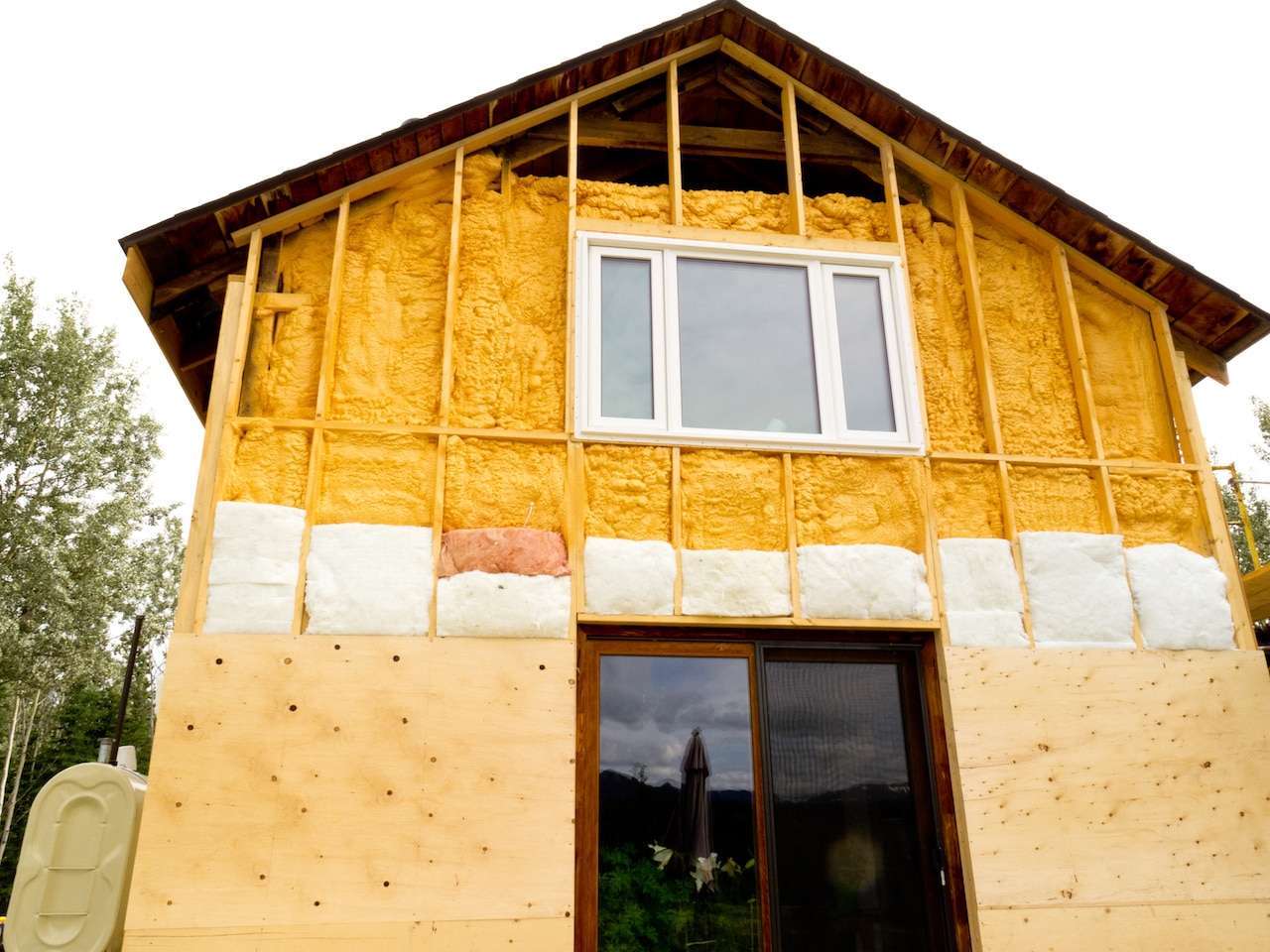
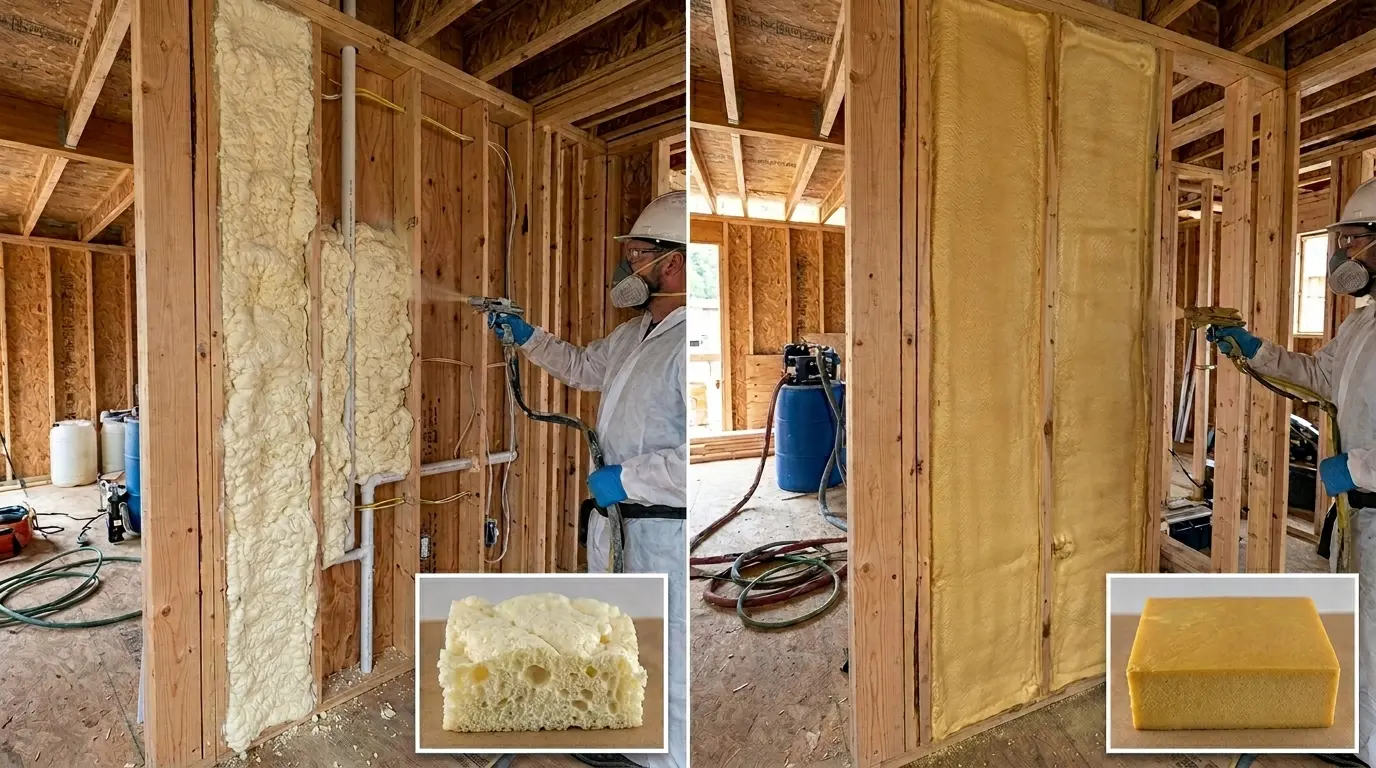
Choosing the right insulation can completely change how comfortable your home feels and how much you spend on energy every month. One of the most common questions homeowners ask is what R-value they actually need for proper performance. The answer depends on climate, building design, and the insulation material you choose, especially when using spray foam insulation for improved efficiency and air sealing.
R-value is not just a technical number; it directly affects heat flow, indoor comfort, and long-term energy savings. This guide breaks everything down in simple terms so you can make the right insulation decision for your home.
What R-Value Really Means
R-value measures how well insulation resists heat flow. In simple terms, it tells you how effectively a material slows down heat moving in or out of your home. The higher the R-value, the stronger the resistance.
Heat naturally moves from warm areas to cooler areas. In winter, it escapes your home. In summer, it enters through walls, ceilings, and floors. Insulation slows this process and keeps indoor temperatures stable.
However, R-value does not work alone. Installation quality, air leakage, and material type all influence how insulation performs in real conditions. That means two materials with the same R-value can perform differently once installed.
Why R-Value Matters in Everyday Living
R-value directly impacts your comfort and energy bills. When insulation lacks the proper resistance, your heating and cooling systems work harder. That leads to higher utility costs and uneven indoor temperatures.
You may notice cold spots in winter or overheated rooms in summer. These issues often point to insufficient insulation or poor R-value selection.
When you choose the right insulation level, your home maintains stable temperatures with less energy use. That also reduces strain on your HVAC system, helping it last longer.
How R-Value Works Inside Your Home
Your home acts like a thermal envelope. This envelope includes walls, attic, roof, floors, and foundation. Insulation controls how fast heat moves through this envelope.
In winter, insulation keeps warm air inside. In summer, it blocks external heat from entering. The better the resistance, the slower heat transfers across surfaces.
But heat does not only move through materials. It also moves through air gaps and leaks. That is why insulation alone cannot solve all energy loss issues. Air sealing plays a major role in overall performance.
This is where materials like spray foam insulation perform differently because they expand and seal gaps while providing thermal resistance.
Recommended R-Values by Area
Different parts of a home need different levels of insulation. You do not apply the same R-value everywhere.
Attics usually require the highest R-values because heat rises and escapes through the roof. Walls need moderate but consistent insulation to maintain comfort. Floors over unheated spaces also require solid resistance to reduce heat loss.
The exact requirement depends on your local climate. Cold regions require higher R-values to retain heat. Hot regions focus on blocking heat gain. Mixed climates need balanced insulation across all seasons.
Climate and Home Design Influence R-Value Needs
Climate plays a major role in determining insulation requirements. Homes in colder areas need stronger thermal resistance to keep heat indoors. Homes in hotter areas need insulation that reduces heat transfer from outside.
Your home design also matters. Large windows, open layouts, and older construction often increase energy loss. These homes need stronger insulation strategies to maintain efficiency.
Every home behaves differently because every structure has unique heat flow patterns. That is why insulation should always match both climate and design conditions.
Common Misunderstandings About R-Value
Many homeowners believe higher R-value always means better performance. That is not always true. A poorly installed high R-value system can perform worse than a well-installed moderate system.
Another misunderstanding involves ignoring air leakage. Even the best insulation loses effectiveness if air flows freely through gaps and openings. Some homeowners also mix insulation types without understanding compatibility. This can create uneven thermal protection and reduce efficiency. Proper installation matters just as much as material selection. Compression, gaps, or uneven coverage all reduce actual performance.
Read More: What Areas Of My Home Can Be Insulated With Spray Foam?
How to Choose the Right R-Value for Your Home
Start by identifying where your home loses the most energy. In most cases, attics and exterior walls are the biggest areas of heat loss.
Next, consider your climate. If you experience harsh winters, prioritize higher resistance. If you live in a hot climate, focus on reducing heat gain.
Then choose the right material. If you want both insulation and air sealing in one solution, spray foam insulation provides strong overall performance. If you are working with a tighter budget, traditional insulation may still work in less critical areas.
Finally, think long term. Insulation is not just an upfront cost. It directly affects your energy bills for years.
Energy Efficiency and Long-Term Value
Proper insulation improves more than comfort. It reduces energy consumption throughout the year. That means lower utility bills and less strain on heating and cooling systems.
Over time, this also increases the value of your property. Energy-efficient homes attract more buyers because they offer lower operating costs.
Insulation works quietly in the background, but its financial impact builds every month. Choosing the right R-value is an investment in long-term savings.
Professional Insulation Services You Can Trust
If you want reliable insulation that improves comfort and reduces energy costs, professional installation makes a real difference.
Foam Insulation Solution provides expert insulation services designed to improve energy efficiency and indoor comfort. Our team specializes in high-performance insulation systems, including spray foam insulation, to help homeowners reduce energy loss and maintain stable indoor temperatures year-round. We focus on quality installation and long-term performance so your home stays efficient in every season.