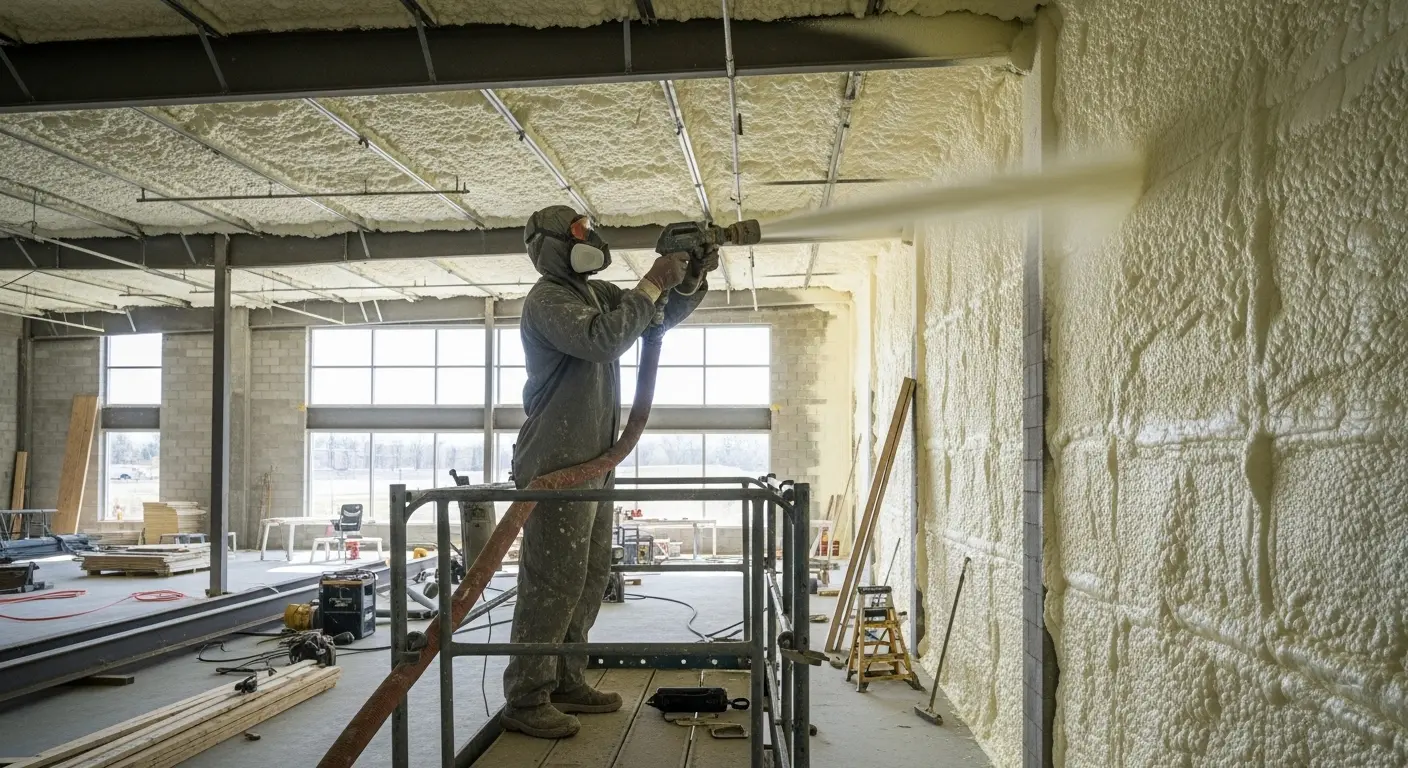
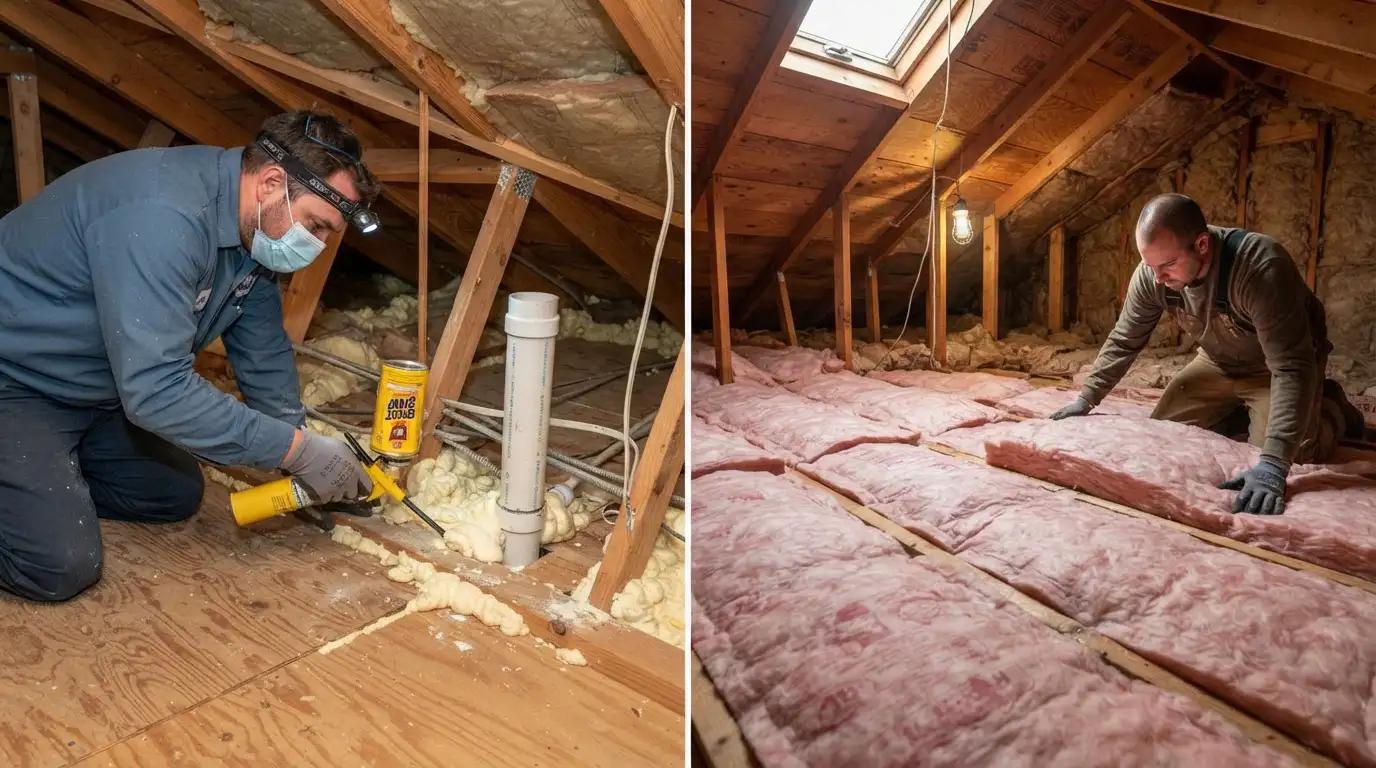
Your home might have thick insulation in the attic and walls, yet some rooms still feel too hot in summer or too cold in winter. The problem might not be the insulation itself. Hidden gaps around windows, wiring, plumbing, and ceilings could allow outside air to move through your home.
Insulation helps slow heat transfer, while air sealing stops unwanted air movement. When these two systems work together, your home stays more comfortable, and your heating and cooling systems have less work to do. Knowing why air leaks make insulation less effective can help you identify energy waste, improve indoor comfort, and make better decisions about home insulation.
How Does Insulation Work?
Insulation slows the movement of heat through your home’s walls, ceilings, floors, and roof. During summer, it helps reduce outdoor heat entering your living space. During winter, it slows the loss of indoor heat.
Different insulation materials achieve this in different ways. Fiberglass, cellulose, and spray foam insulation resist heat flow, while their performance depends on factors such as material type, thickness, installation quality, and air movement.
However, insulation alone does not necessarily stop air leaks. Small openings can allow outdoor air to enter and conditioned air to escape, even when insulation is present inside the walls or attic. Think of insulation as a winter jacket. The jacket helps retain warmth, but wind passing through gaps in your clothing still makes you feel cold. Air sealing works like a windproof layer, limiting unwanted air movement so your insulation can perform more effectively.
The U.S. Department of Energy explains this relationship in its guide to air sealing, which outlines common leakage points and the benefits of sealing them.
How Do Air Leaks Reduce Insulation Effectiveness?
Air leaks affect your home’s energy performance in several ways. Even well-installed insulation may struggle to maintain comfortable indoor temperatures when outside air keeps entering through gaps.
-
Heat Escapes in Winter and Enters During Summer
Your insulation may slow heat transfer, but gaps in your home’s exterior allow air to move freely between indoor and outdoor spaces. Winter air leaks let heated air escape through the attic, walls, and other openings. During summer, hot outdoor air enters and makes your cooling system work harder.
Where does the problem start?
- Winter: Warm indoor air escapes through gaps around attic hatches, plumbing pipes, and ceiling joints.
- Summer: Hot air enters through poorly sealed windows, doors, and exterior wall openings.
- Year-round: Unwanted airflow makes it harder to maintain a comfortable indoor temperature.
Sealing these openings helps your insulation control heat transfer without the added burden of continuous air movement.
-
Your Heating and Cooling Bills Increase
Leaky homes waste energy when conditioned air escapes and outdoor air enters. Your HVAC system must work harder to maintain the temperature you set on the thermostat, potentially increasing monthly energy bills.
Adding more insulation might not solve the problem if significant gaps remain unsealed. Air sealing and insulation work best together because one limits unwanted airflow while the other slows heat transfer.
According to ENERGY STAR’s guidance on sealing and insulating, combining air sealing with appropriate insulation can improve comfort and reduce household energy costs.
-
Some Rooms Feel Comfortable While Others Do Not
One bedroom feels chilly, another stays stuffy, and the living room never seems to reach the right temperature. These differences can indicate air leakage, uneven insulation, duct problems, or other issues affecting your home’s thermal envelope.
Check these possible trouble spots:
- Attic access points: Gaps around attic hatches allow air to move between the attic and living space.
- Exterior windows: Worn seals and poorly fitted frames let outdoor air enter.
- Wall penetrations: Unsealed plumbing and wiring openings create pathways for drafts.
- HVAC ducts: Leaky duct connections can waste conditioned air before it reaches your rooms.
Adding insulation alone may not correct uneven temperatures when air continues moving through these openings. Identifying the actual cause helps you choose the right repair.
-
Moisture Can Build Up Inside Walls and Attics
Your insulation might look perfectly fine from the outside while moisture slowly damages the materials behind it. Humid air entering through gaps can reach cold surfaces inside an attic or wall cavity, where condensation develops.
Over time, damp insulation, rotting wood, and mold growth can become costly problems. However, air leakage isn’t the only possible cause. Roof damage, plumbing leaks, and poor moisture control can produce similar signs.
Before adding new insulation, check for:
- Wet or compressed insulation that needs further assessment.
- Musty odors coming from enclosed spaces.
- Water stains on ceilings or exposed roof framing.
Seal the air leaks once the source of moisture has been identified and addressed. Installing fresh insulation over a damp area won’t resolve the underlying problem.
-
Dust and Outdoor Pollutants Enter Your Home
Imagine cleaning your home on Saturday, only to find dust collecting around windows and wall openings a few days later. Air leaks could be contributing to the problem by carrying airborne particles through gaps in the building envelope.
Unlike moisture damage, this issue often shows up as a recurring indoor cleanliness problem rather than visible structural damage. Pollen, outdoor dust, and insects may enter through poorly sealed openings, while moving air can spread existing dust into other parts of the house.
The solution goes beyond frequent dusting. Sealing gaps around pipes, wiring, windows, and attic access points helps reduce unwanted airflow and the particles it carries. Keep proper ventilation in place, too, so improving your home’s airtightness doesn’t compromise fresh-air supply.
Where Do Air Leaks Commonly Occur?
Many leaks remain hidden behind insulation or inside wall cavities. Windows and doors are easy places to check, but larger problems can exist around attic openings, utility lines, and structural connections.
| Location | Common cause of air leakage |
| Attic and ceiling | Gaps around attic hatches, recessed lights, and ceiling penetrations |
| Windows and exterior doors | Worn weatherstripping, damaged seals, and gaps around frames |
| Walls and electrical openings | Unsealed gaps around wiring, outlets, and wall joints |
| Plumbing penetrations | Open spaces around pipes passing through floors and walls |
| Foundation and rim joists | Gaps where framing meets the foundation |
| HVAC ductwork | Leaky connections that allow conditioned air to escape into unconditioned spaces |
Dirty or discolored insulation can also indicate that air is moving through a particular area. These signs help identify possible problem spots, although an inspection is needed to determine the exact cause.
How Can You Tell If Air Leaks Are Affecting Your Insulation?
You do not always need to open your walls to notice signs of poor air sealing. Everyday comfort problems and visible changes around your home can help you decide whether an inspection is worthwhile. Watch for these warning signs:
- Persistent drafts: Cold or hot air moves around windows, doors, or ceiling openings.
- Uneven room temperatures: Certain rooms remain uncomfortable despite regular HVAC use.
- Rising energy bills: Heating or cooling costs increase without an obvious change in usage.
- Uneven insulation: Gaps, compressed sections, or displaced material leave parts of the building envelope exposed.
- Dark marks on insulation: Dust buildup may reveal airflow through hidden openings.
- Condensation or musty odors: Moisture problems may indicate air leakage or another building issue that needs investigation.
These symptoms do not always mean insulation is the main problem. Leaky ducts, inadequate ventilation, faulty equipment, and water intrusion can produce similar issues.
Professional air leak detection can help locate hidden gaps. Depending on the building, an inspection may involve a blower door test, infrared imaging, or a visual assessment of accessible areas.
Is Air Sealing Necessary Before Installing New Insulation?
Yes, addressing significant air leaks before adding insulation is generally recommended. Otherwise, gaps may continue allowing conditioned air to escape even after the insulation level increases.
Imagine filling an attic with new insulation while leaving large openings around plumbing pipes and the attic hatch. The additional material slows heat transfer, but unwanted air can still move between the attic and living space.
Preparing the area properly helps prevent wasted materials and improves the performance of the completed project. The exact sequence depends on the existing insulation, access conditions, moisture concerns, and any electrical or combustion safety requirements.
Remember:
More insulation does not automatically mean better energy efficiency. Proper air sealing, suitable insulation levels, and correct installation all matter.
Final Thoughts
Air leaks can undermine insulation, increase heating and cooling costs, create uncomfortable rooms, and contribute to moisture problems. Finding and sealing those gaps helps your home maintain more consistent temperatures while allowing insulation to perform as intended.
Foam Insulation Solution can be presented as your partner for improving home insulation and addressing air leakage concerns. Whether you’re considering spray foam insulation for an attic, walls, or other suitable areas, start by identifying the source of the problem and choosing an approach that fits your home’s needs.
Contact us to discuss your insulation concerns and explore suitable options for improving comfort and energy efficiency. Proper planning and installation can help you get more value from your insulation investment.
FAQs
- Can air leaks make insulation less effective?
Yes. Air leaks allow heated air to escape during winter and warm outdoor air to enter during summer. Even well-installed insulation may struggle to maintain indoor temperatures when gaps around windows, doors, walls, and attic openings allow uncontrolled airflow.
- How do I know if my home has air leaks?
Common signs include drafts near windows and doors, uneven room temperatures, rising energy bills, and excessive dust. You might also notice that your heating or cooling system runs longer than usual. A professional home energy assessment can help identify hidden leaks.
- Does insulation stop air leaks?
Not always. Traditional fiberglass and cellulose insulation can slow heat transfer, but they do not necessarily stop airflow through gaps and cracks. Air sealing closes those openings, while insulation helps reduce heat transfer. Combining both improves home energy efficiency.
- Where do air leaks commonly occur in a house?
Air leaks often develop around window and door frames, electrical outlets, plumbing penetrations, attic hatches, recessed lights, and gaps where walls meet floors or ceilings. Attics and areas around utility lines deserve particular attention because small openings can allow significant air movement.
- Can air leaks increase heating and cooling costs?
Yes. Leaky areas allow conditioned air to escape, forcing your HVAC system to work harder to maintain a comfortable temperature. Sealing these gaps and installing suitable insulation can help reduce energy waste and improve indoor comfort.
- Can air leaks cause mold growth?
Air leaks can contribute to moisture problems when humid air reaches cooler surfaces and condenses. Persistent moisture may support mold growth or damage building materials. However, roof leaks, plumbing problems, and other sources of moisture should also be investigated before repairs begin.
- Should I seal air leaks before installing new insulation?
Yes, in most cases. Identifying and sealing relevant air leaks before adding insulation helps prevent uncontrolled airflow from reducing the insulation’s performance. Any existing moisture damage should also be addressed before new insulation is installed.
- Does spray foam insulation help reduce air leaks?
Spray foam insulation can help reduce air leakage when the correct product is applied to suitable areas and installed properly. Its air-sealing performance depends on the foam type, application thickness, surface conditions, and installation quality. A professional assessment can help determine whether spray foam suits your home.