Deciding how to insulate a multi-family building in New York is rarely simple. Fiberglass batts settle over time, cellulose absorbs moisture in older brick buildings, and rigid foam boards leave seams that let air slip through. Building owners often end up choosing based on upfront cost alone, only to face high heating bills and tenant complaints about drafty units a few winters later. Spray foam insulation in New York has, therefore, become the preferred option for many property managers because it seals gaps other materials miss and holds its performance for decades rather than years.
Curious to learn more?
Stay with us, as this article covers how spray foam works, why it fits multi-family buildings specifically, and what it costs to install.
What You Should Know About Spray Foam Insulation
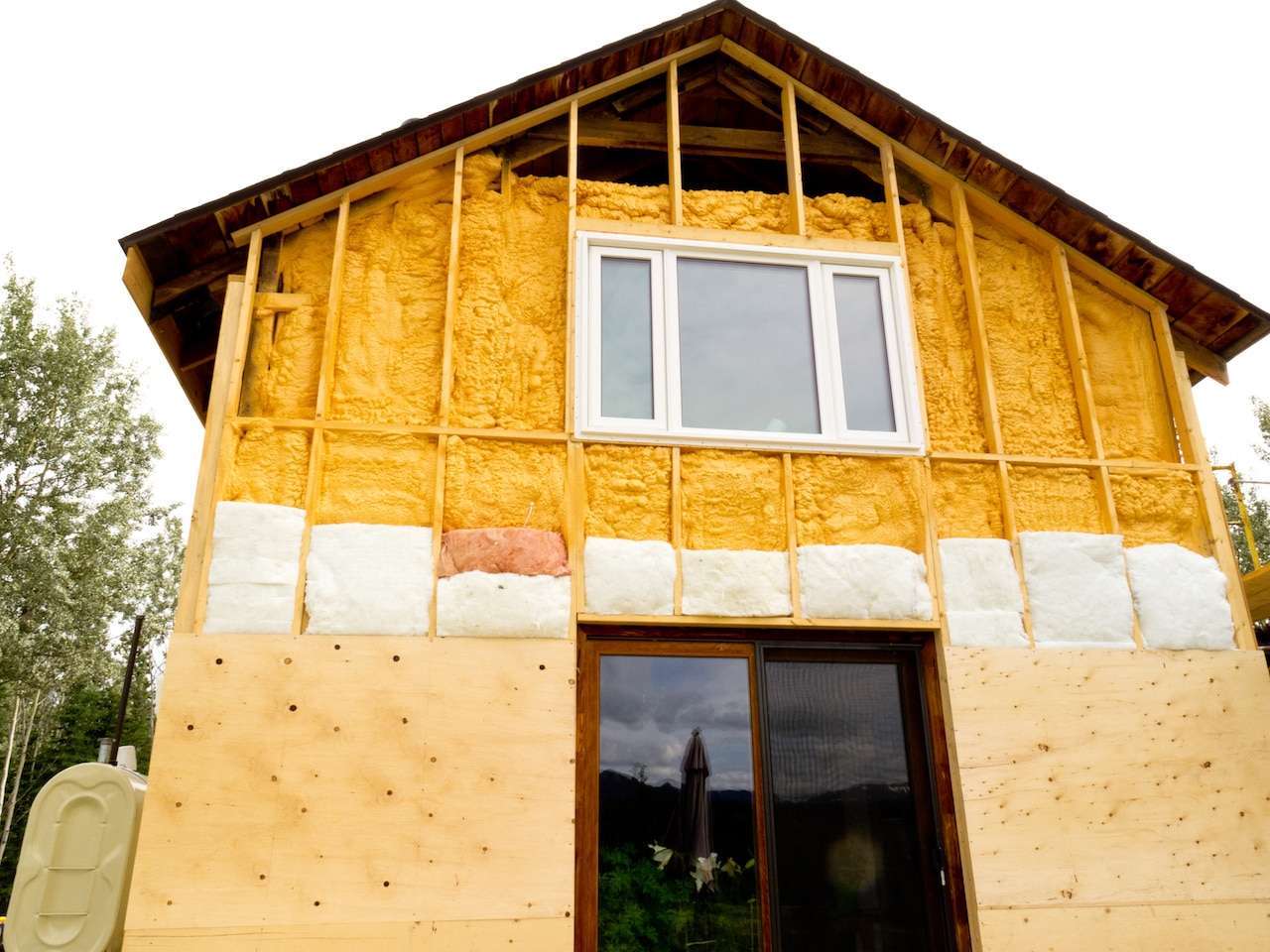
Spray foam insulation is a liquid mixture of polyurethane that expands on contact and hardens into a solid air barrier within seconds. Applied through a spray gun, it fills wall cavities, rim joists, and attic spaces completely, reaching corners and gaps that batts and boards can’t.
Unlike fiberglass, which only slows air movement, spray foam actually blocks it, since the expanded foam creates a continuous seal rather than a layered barrier with seams. That difference is why spray foam consistently outperforms traditional insulation in both air sealing and long-term R-value retention.
Why Multi-Family Buildings in New York Need Spray Foam Insulation
Multi-family buildings face insulation problems traditional materials weren’t built to solve. Shared walls transmit noise between units, old brick and masonry let moisture seep in, and uneven heating leaves some apartments cold while others stay hot. Spray foam addresses these issues directly by sealing gaps, adding density to shared walls, and creating a consistent thermal barrier across every unit. Below is how that translates into real benefits for owners and tenants alike:
Lower Energy Bills Across Units
Air leaks account for a significant share of heat loss in older New York buildings, especially those with brick exteriors and original window frames. Spray foam seals rim joists, wall cavities, and attic penetrations that fiberglass simply can’t reach, reducing the air exchange that increases heating costs. Buildings that switch to spray foam typically experience more consistent temperatures unit to unit, which reduces the tendency for tenants to run space heaters or leave windows open to cool overheated rooms.
Better Soundproofing Between Apartments
Closed-cell spray foam adds mass and density to wall cavities, which reduces how much airborne noise passes between units. This matters most in prewar buildings with thin plaster walls, where conversations and footsteps travel easily between apartments. While spray foam isn’t a dedicated soundproofing product, the density it adds noticeably cuts down mid-frequency noise like voices and television sound, which are the most common tenant complaints in multi-family properties.
Fewer Drafts and Moisture Problems
Closed-cell spray foam is impermeable to water, meaning it won’t absorb moisture the way fiberglass or cellulose does when a roof leak or plumbing issue occurs. This matters in older housing stock, where masonry walls can wick moisture inward during heavy rain or snowmelt. By sealing gaps completely, spray foam also stops the drafts that let humid outdoor air infiltrate wall cavities, which lowers the risk of condensation forming inside walls during winter months.
Longer Lifespan Than Traditional Insulation
Fiberglass batts sag and lose effectiveness over 15 to 20 years as they compress and shift within wall cavities. Spray foam, once cured, doesn’t settle or compress, and manufacturers commonly back closed-cell products with warranties covering several decades of performance. For multi-family owners planning long-term capital improvements, that lifespan difference means fewer re-insulation projects and more predictable maintenance budgets over the life of the building.
Improved Indoor Air Quality
Tiny gaps around wall penetrations, rim joists, and utility lines allow dust, pollen, and outdoor pollutants to enter a building year-round. Spray foam seals these entry points, reducing uncontrolled air infiltration that can affect indoor air quality in shared living spaces. While it isn’t an air filtration system, creating a tighter building envelope helps HVAC filters work more effectively by limiting the amount of unconditioned outdoor air entering each unit.
Open Cell vs. Closed Cell Spray Foam: Which One Is Right for Your Building?
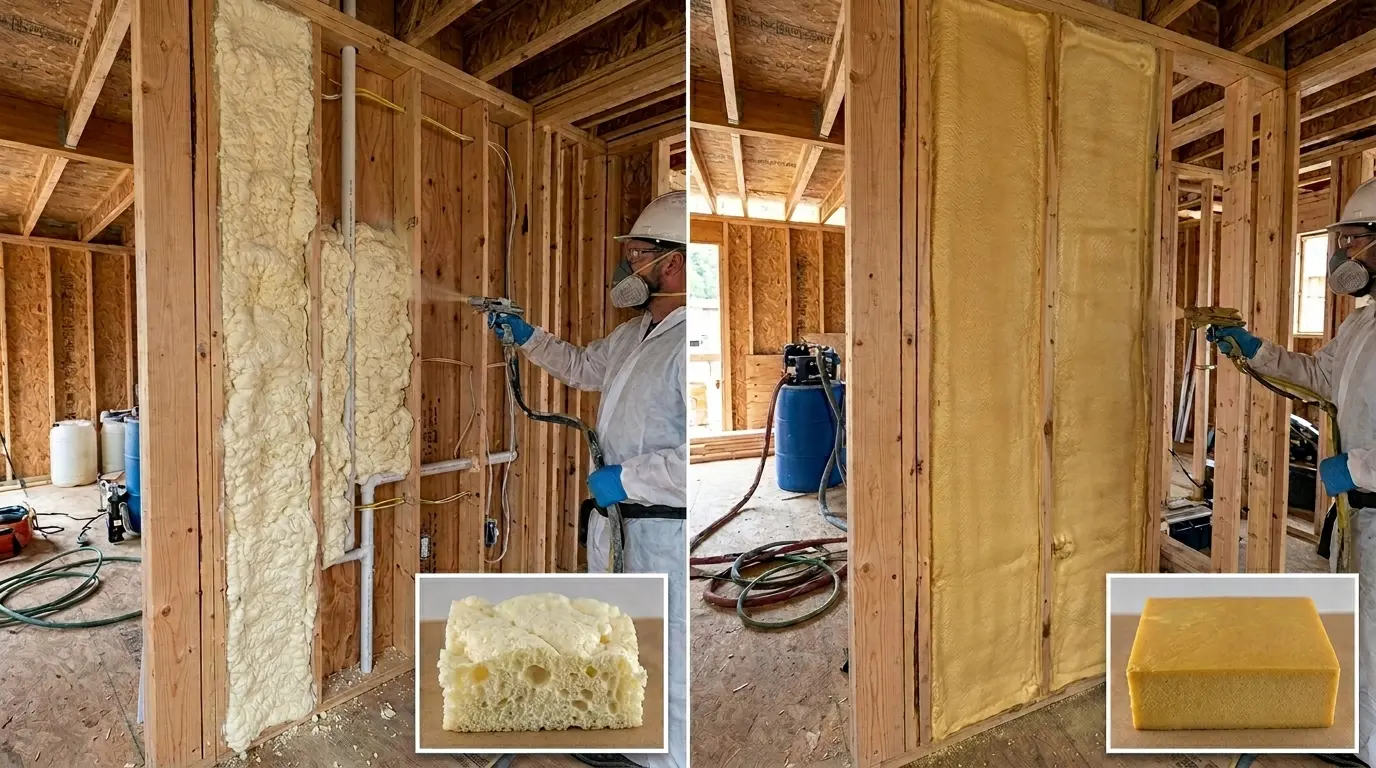
Open-cell spray foam is lighter and softer, with cells that stay open during expansion, giving it an R-value of about 3.5 to 3.8 per inch and strong sound-dampening properties. Closed-cell spray foam is denser and rigid, with fully sealed cells that push its R-value up to 5 to 7 per inch, along with moisture resistance and added structural strength. The right choice depends on where in the building it’s being applied and what problem you’re trying to solve.
Below is a comparison of open-cell vs. closed-cell spray foam by application area:
| Area | Recommended Foam | Why |
| Interior walls between apartments | Open-cell | Better sound dampening, lower cost for large interior areas |
| Exterior walls and rim joists | Closed-cell | Moisture resistance and higher R-value per inch |
| Basements and below-grade areas | Closed-cell | Resists water infiltration and adds structural rigidity |
| Attics and roof decks | Closed-cell | Prevents moisture buildup and ice dam formation |
| Budget-conscious interior-only projects | Open-cell | Lower material cost while still improving air sealing |
| Buildings near flood zones or with masonry moisture issues | Closed-cell | Impermeable to water, won’t absorb or retain moisture |
How Much Does Spray Foam Insulation Cost in New York?
The cost of spray foam insulation in New York depends on several factors, including the type of foam selected, the size of the project, and the condition of the existing structure. Closed-cell foam typically costs more than open-cell foam because it provides greater density, moisture resistance, and insulating performance. Buildings with older construction may also require additional preparation, such as removing outdated insulation, working around existing utilities, or making adjustments to meet current building codes.
A professional estimate is the best way to understand the actual cost for your property. During an assessment, an experienced installer can evaluate the areas that need insulation, identify access challenges, and recommend the right foam type based on the building’s needs. This helps property owners plan their investment without relying on broad estimates that may not reflect the conditions of their specific building.
How to Maintain Your Spray Foam Insulation: 7 Essential Tips
Spray foam requires far less upkeep than fiberglass or cellulose, but it isn’t entirely maintenance-free. Small issues like moisture intrusion from a roof leak or physical damage from renovation work can compromise sections of foam over time if they go unaddressed. Catching these problems early keeps the insulation performing at full R-value and protects the investment for the decades it’s designed to last.
Follow these tips to maintain your spray foam insulation:
- Inspect accessible foam areas yearly for cracks, damage, or discoloration
- Fix roof and plumbing leaks quickly to prevent moisture damage
- Avoid cutting into foam-insulated walls without proper repair guidance
- Keep attic and crawl space ventilation clear to reduce condensation risks
- Check foam areas for pest activity and seal entry points
- Ensure ignition and thermal barriers remain intact after maintenance work
- Record installation details, foam type, and warranty information for future reference
Want to Improve Your Building’s Energy Performance? Choose Foam Insulation Solution
Every multi-family property has different insulation challenges, especially older New York buildings with aging materials, uneven wall assemblies, and areas where air leakage or moisture can affect performance. Foam Insulation Solution provides spray foam insulation in New York with recommendations based on your building’s structure, existing insulation, ventilation needs, and safety requirements. Our team evaluates the property before installation to determine the right approach for each space, helping owners improve comfort, energy efficiency, and long-term insulation performance. Contact us today to discuss your project and get a solution designed around your building’s specific conditions.
FAQs
What is spray foam insulation and how does it work?
Spray foam insulation is a liquid polyurethane mixture that expands on contact and hardens into a solid air barrier within seconds. It’s applied through a spray gun and fills wall cavities, rim joists, and attic spaces completely. Unlike fiberglass, it blocks air movement entirely instead of just slowing it down.
Is spray foam better than fiberglass for multi-family buildings?
Spray foam creates a continuous seal that blocks air movement, while fiberglass only slows it down and leaves gaps around edges. Fiberglass also sags and loses effectiveness over 15 to 20 years, while cured spray foam doesn’t settle or compress. For buildings with shared walls and older construction, spray foam typically performs better long-term.
How long does spray foam insulation last?
Closed-cell spray foam is commonly backed by manufacturer warranties covering several decades of performance. Unlike fiberglass, it doesn’t sag, compress, or lose effectiveness over time once cured. This makes it a lower-maintenance, longer-term investment for multi-family property owners.
Does spray foam insulation help with moisture problems in older buildings?
Closed-cell spray foam is impermeable to water, so it won’t absorb moisture the way fiberglass or cellulose does during a leak. This is especially useful in older New York buildings with masonry walls that can wick moisture inward during heavy rain or snowmelt. Sealing gaps also stops humid air from infiltrating wall cavities and causing condensation.