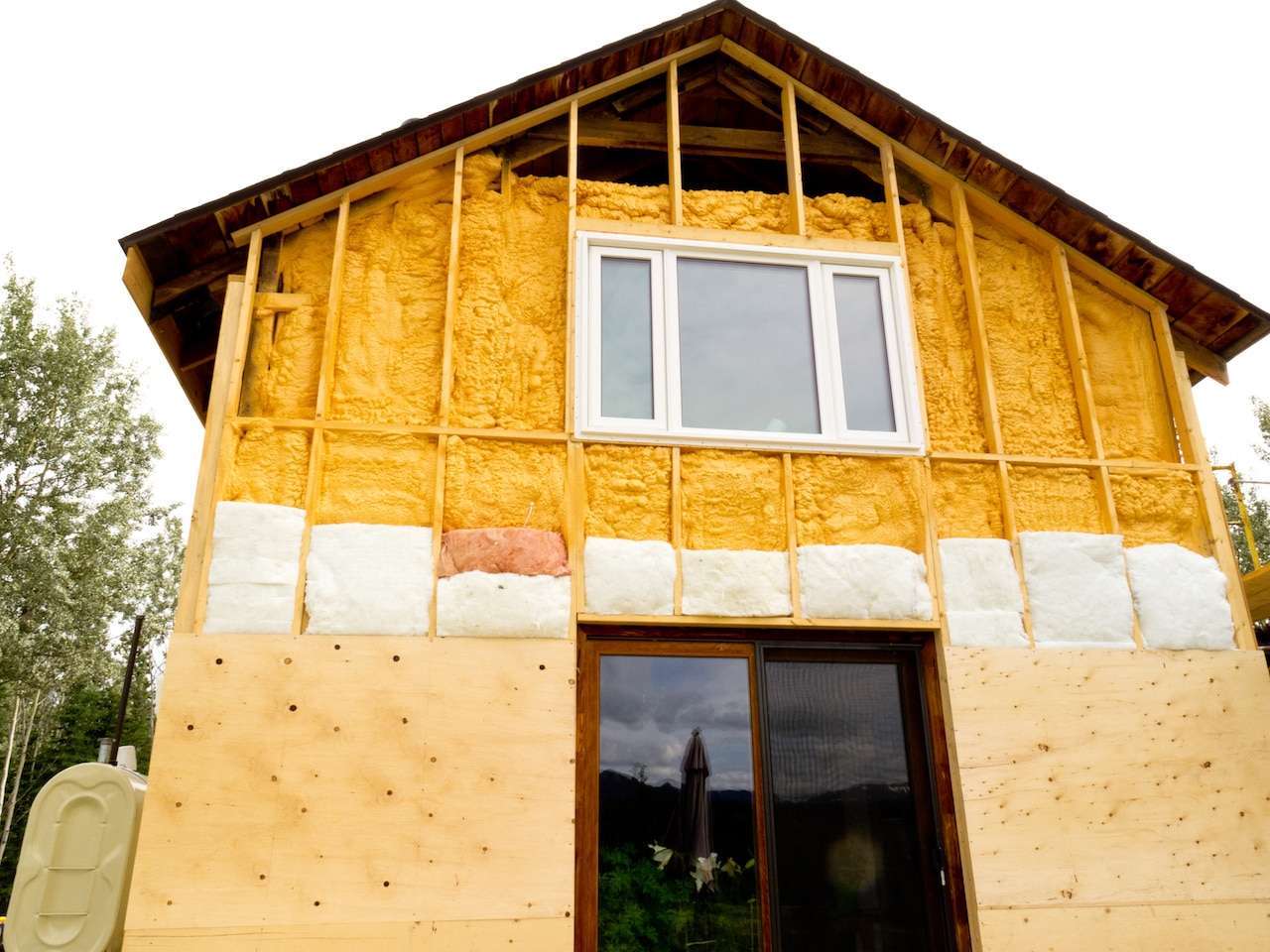
When it comes to insulating your roof deck, spray foam insulation in NYC has become increasingly popular. This method offers great thermal performance and air sealing compared to traditional insulation materials.
But before you commit to this, it’s important to understand both the advantages and potential risks that come with applying spray foam directly to your roof deck.
Unlike fiberglass batts or blown-in cellulose, spray foam is applied as a liquid that expands and hardens, creating an airtight barrier on the underside of your roof sheathing. Here’s everything you need to know.
What Different Spray Foam Types are there?
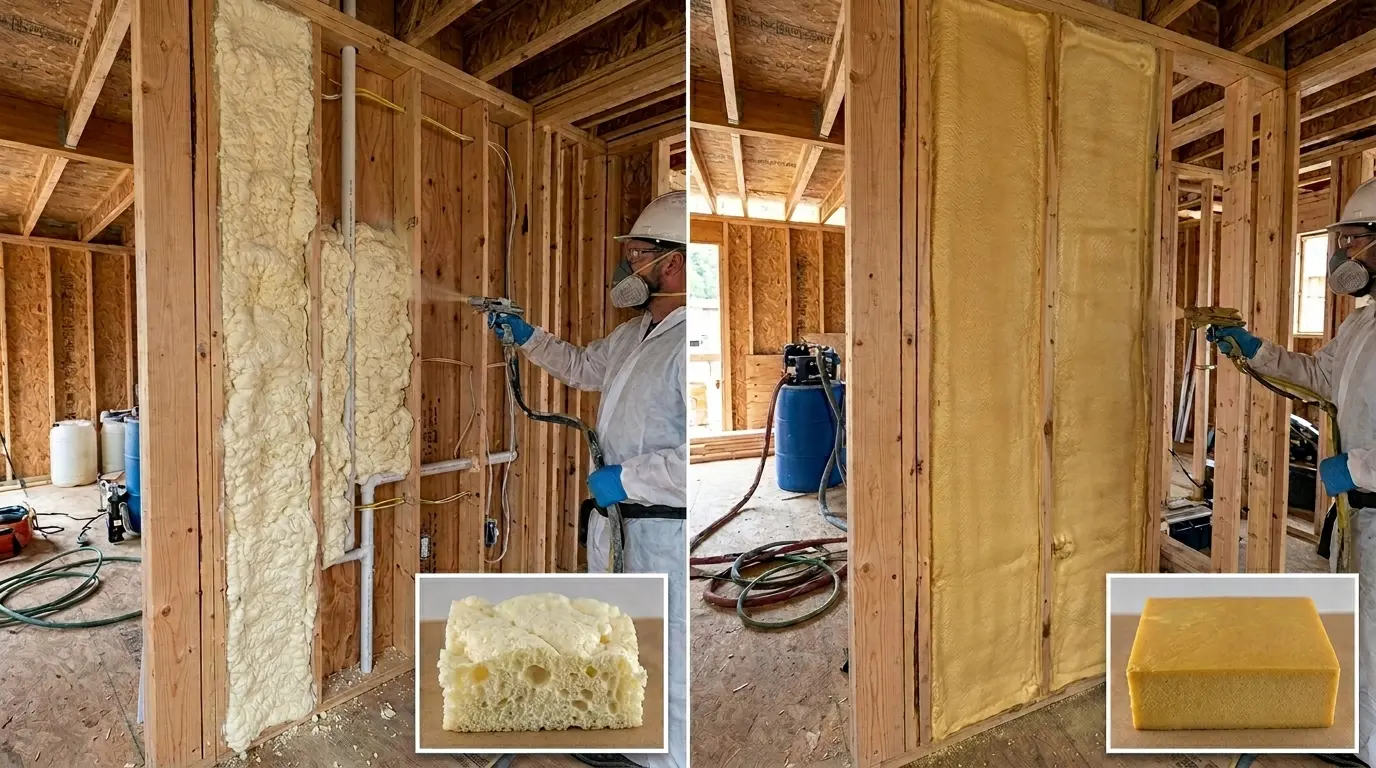
Before diving into pros and cons, you need to understand that there are two distinct types of spray foam, each with different properties and applications.
1. Closed-Cell Spray Foam
This is denser and more rigid. It has a higher R-value per inch (around R-6 to R-7), acts as both an air barrier and a vapor barrier, and adds structural strength to your roof deck. It’s impermeable to water and vapor, which provides excellent protection but can also trap moisture if problems occur.
2. Open-Cell Spray Foam
Open-cell spray foam is lighter and more flexible. It has a lower R-value per inch (around R-3.5 to R-4) and expands significantly more, up to 100 times its liquid volume, which helps it fill every crack and crevice. Unlike closed-cell, it’s vapor-permeable, allowing moisture to move through it.
The Advantages of Spray Foam Insulation
Energy Efficiency
Spray foam has a high R-value, which means better insulation per inch of thickness compared to fiberglass or cellulose. More importantly, it creates an airtight seal that removes the air leakage responsible for up to 40% of heating and cooling loss in homes.
When applied to your roof deck, spray foam can reduce energy bills by 30% or more by keeping conditioned air where it belongs.
Complete Air Sealing
Traditional insulation sits in cavities but doesn’t seal them. Spray foam, however, expands to fill every gap, crack, and irregular space. On a roof deck with rafters, joists, and penetrations for wiring or fixtures, this sort of sealing is invaluable.
Moisture Barrier
Closed-cell spray foam acts as a vapor barrier, blocking moisture from outside. In roof applications, this means protection against condensation and water vapor that can lead to mold, mildew, and wood rot.
Added Structural Strength
Closed-cell spray foam is rigid enough to add structural integrity to your roof deck. It can increase resistance to wind uplift and provide additional support, which is particularly beneficial for metal roofs or in areas prone to high winds.
Durability and Longevity
Unlike fiberglass that can sag, settle, or degrade over time, properly installed spray foam maintains its insulating properties for decades. It doesn’t shift, compress, or lose R-value, so its energy efficiency remains consistent throughout the material’s lifespan.
Noise Reduction
Both open and closed-cell spray foam have excellent sound-dampening. When applied to your roof deck, foam insulation reduces exterior noise from rain, hail, aircraft, and traffic.
Also Read: Comparing Spray Foam to Traditional Insulation
The Disadvantages of Spray Foam Insulation
Moisture Entrapment Risk
While closed-cell foam blocks moisture effectively, this impermeability can become a problem if water gets behind it. If your roof develops a leak or if moisture is already present in the wood before installation, closed-cell foam can trap that water against the roof sheathing.
Unlike traditional insulation, where leaks are immediately obvious, closed-cell foam hides them. Trapped moisture leads to wood rot, mold growth, and structural deterioration that can go undetected.
Installation Requirements Are Critical
Spray foam insulation service must be performed by professionals. The foam is created on-site through a chemical reaction that requires precise mixing, proper temperature conditions, and careful application. The thickness must meet building code requirements for your climate zone, or you risk condensation forming on the foam’s surface.
High Upfront Costs
Spray foam costs significantly more than traditional insulation, often two to three times the price of fiberglass or cellulose. For roof deck applications, you might pay $2 to $4 per square foot or more, depending on thickness and foam type.
Removal and Access Difficulties
If you ever need access to the roof deck for electrical work, plumbing, or leak repair, removing spray foam is messy and downright annoying. Closed-cell foam is particularly difficult to cut through because of its rigidity.
How Do You Make the Right Choice?
So, should you use spray foam on your roof deck? The answer is, it depends.
- Your Climate: Cold climates require careful attention to foam type, thickness, and vapor barrier requirements. Warm, humid climates need proper moisture management strategies.
- Your Roof Condition: The roof must be leak-free, and the wood sheathing must be dry before foam application. Any existing moisture must be removed first.
- Your Budget: Factor in the higher upfront cost against long-term energy savings.
- Professional Installation: Work only with qualified contractors who understand what they’re doing.
- Type of Foam: In most roof deck applications, many experts recommend open-cell foam for its vapor permeability and leak detection advantages, provided adequate thickness is installed and climate requirements are met.
Get Expert Guidance
The decision to use spray foam insulation in NYC for your roof deck is a major, permanent decision, and you should only trust the experts.
Foam Insulation Solution understands the importance of moisture management, proper application techniques, and long-term performance. Get in touch with us today and make the best decision for your home.